Kenya Vision 2030 is the country’s long-term development blueprint aimed at transforming Kenya into a newly industrializing, middle-income country that provides a high quality of life to all its citizens. Launched in 2008, the Vision is built on three key pillars: Economic, Social, and Political.
This strategic plan covers a period from 2008 to 2030 and seeks to accelerate economic growth, improve infrastructure, reduce poverty, and create an inclusive society where all Kenyans benefit from the country’s progress.
What is Kenya Vision 2030?
Kenya Vision 2030 is a national development policy developed by the Government of Kenya to guide the country’s transformation agenda over a 22-year period. It was crafted under the leadership of the National Economic and Social Council (NESC), bringing together government, private sector, and civil society.
The vision is anchored on three main pillars:
Economic Pillar: Sustained Economic Growth
The goal is to maintain a 10% annual economic growth rate and ensure Kenya becomes a globally competitive and prosperous nation. This includes:
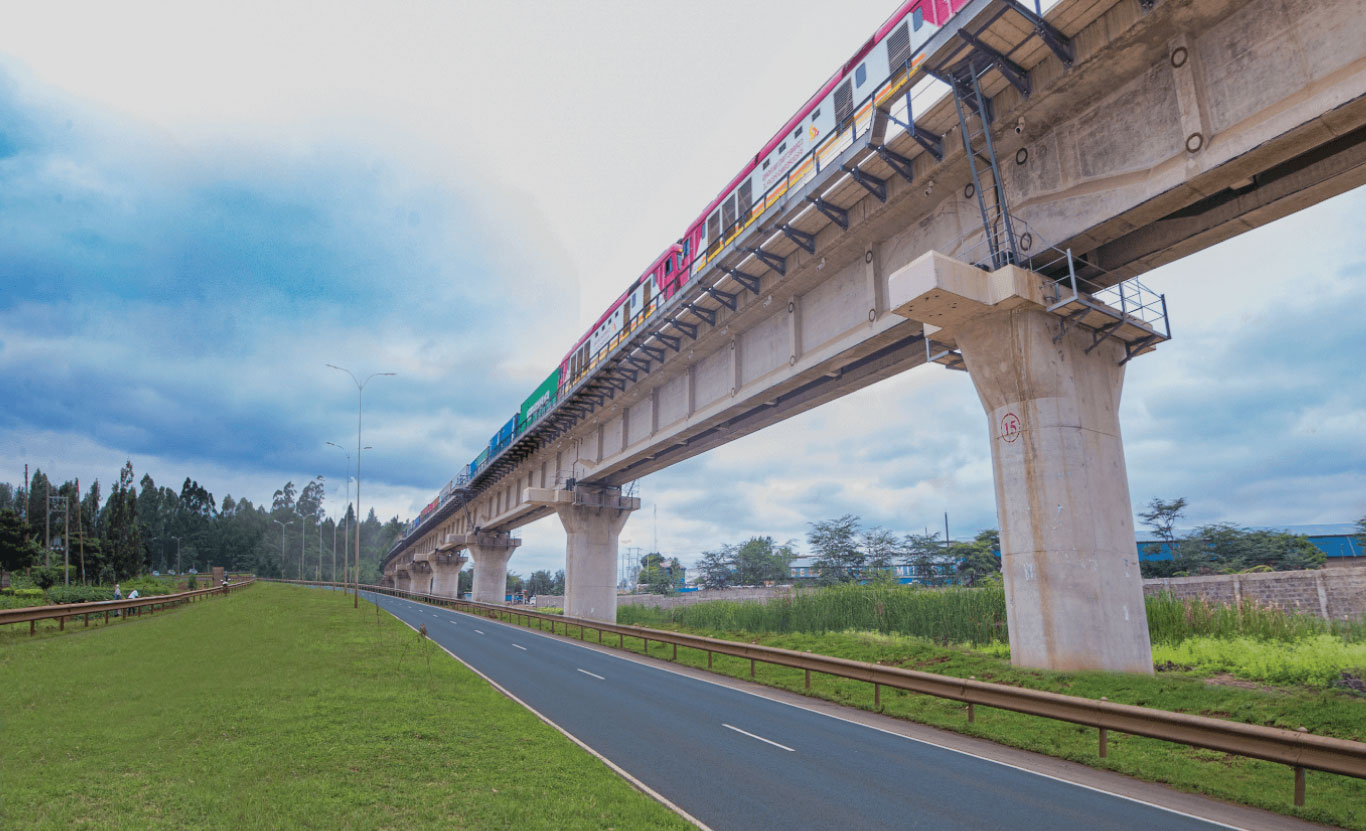
- Infrastructure Development: Roads, railways, ports, and energy projects like the Standard Gauge Railway (SGR) and Lamu Port.
- Tourism Promotion: Branding Kenya as a top tourist destination.
- Agricultural Transformation: Enhancing productivity, market access, and value addition.
- Industrialization: Creating Special Economic Zones (SEZs) and promoting local manufacturing.
Social Pillar: Equity and Social Cohesion
The social pillar focuses on investing in the people of Kenya to improve their quality of life. Key focus areas include:
- Education and Training: Free primary education, competency-based curriculum, and expanded university access.
- Healthcare: Affordable and accessible healthcare under Universal Health Coverage (UHC).
- Gender and Youth Empowerment: Ensuring women and youth have equal opportunities.
- Housing and Urban Development: Affordable housing through the Big Four Agenda.
Political Pillar: Democratic Political System
The political pillar aims to create a people-centered, issue-based, and accountable democratic political system. Reforms under this pillar include:
- Governance and Rule of Law: Strengthening institutions like the Judiciary and IEBC.
- Devolution: Empowering counties to manage their own development.
- Human Rights: Promoting a culture of respect for human rights and inclusivity.
Key Flagship Projects
Vision 2030 is implemented through Medium-Term Plans (MTPs) that outline specific goals and flagship projects. Some notable projects include:
- Standard Gauge Railway (SGR)
- Lamu Port-South Sudan-Ethiopia Transport (LAPSSET) Corridor
- Konza Technopolis (“Silicon Savannah”)
- Last Mile Electricity Connection
- Huduma Centres for Government Services
Progress So Far
Kenya has made significant strides since the launch of Vision 2030:
- Infrastructure has vastly improved.
- The economy has diversified with growing digital, fintech, and service sectors.
- Education access has expanded.
- Health reforms have seen progress under the UHC initiative.
However, challenges such as corruption, debt levels, youth unemployment, and climate change continue to hinder full realization of the vision.
Why Vision 2030 Matters
Kenya Vision 2030 is more than a government document—it’s a roadmap for every Kenyan to dream bigger, work harder, and build a better future. It provides a unified direction for public and private sectors to collaborate, innovate, and deliver sustainable growth.
Final Thoughts
As we approach 2030, the spotlight is now on implementation, accountability, and citizen participation. Vision 2030’s success will depend on how well Kenyans come together to support development initiatives, fight corruption, embrace innovation, and build inclusive institutions.
The future of Kenya lies not just in its plans, but in its people.