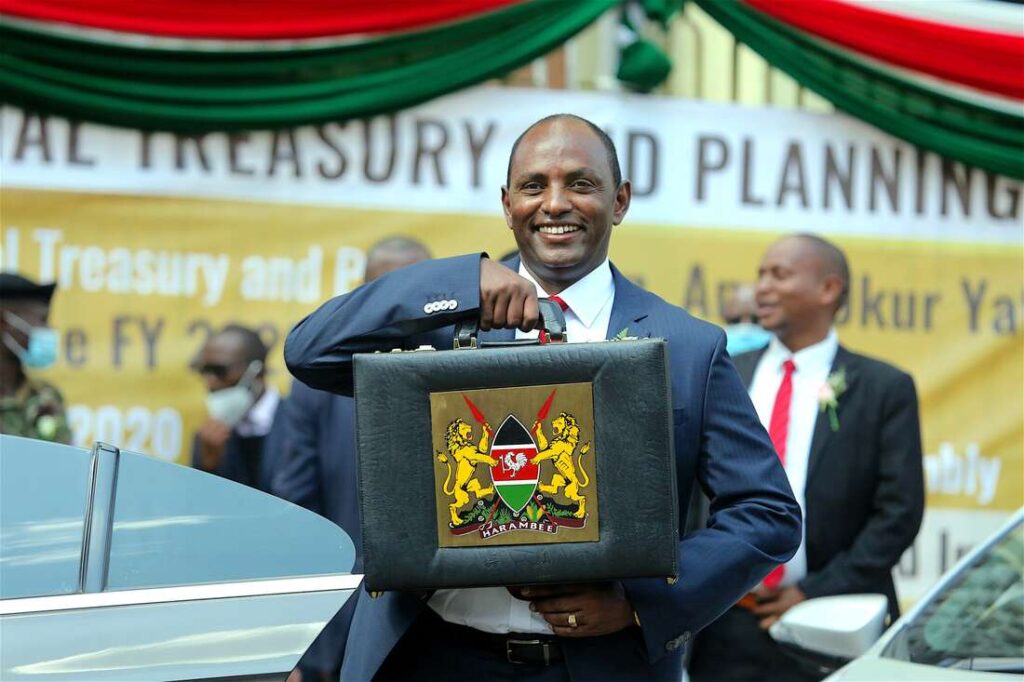
The Government of Kenya officially unveiled its 2024/2025 budget, setting the stage for a year of economic transformation, fiscal discipline, and strategic investment. With the country navigating post-pandemic recovery, rising debt levels, and global economic shifts, this budget has sparked national conversations across all sectors.
Here’s a breakdown of what you need to know:
Total Budget Size: Ksh 3.9 Trillion
The Treasury proposed a Ksh 3.9 trillion budget for the 2024/2025 financial year—an increase from the previous year’s Ksh 3.6 trillion. The government aims to balance development priorities with efforts to reduce public debt.
Budget Priorities for 2024/2025
The budget focuses on five key pillars under the Bottom-Up Economic Transformation Agenda (BETA):
- Agriculture
- Ksh 55 billion allocated to subsidize fertilizers, seeds, and support food production.
- Boosting irrigation and agricultural processing to ensure food security.
- Healthcare
- Ksh 130 billion allocated to enhance Universal Health Coverage (UHC).
- Recruitment of health workers and equipping county hospitals.
- Education
- Ksh 630 billion allocated for education—the largest share of the budget.
- Priorities include the Competency-Based Curriculum (CBC) rollout, construction of classrooms, and hiring of teachers.
- MSME and Job Creation
- Funds allocated to support Hustler Fund Phase 2.
- Tax incentives for small businesses and startups.
- Infrastructure & Housing
- Over Ksh 200 billion earmarked for roads, affordable housing, and connectivity.
- Expansion of rural electrification and fiber optic connectivity.
Revenue Collection Targets
The government plans to collect Ksh 2.9 trillion in revenues through:
- Kenya Revenue Authority (KRA) reforms to boost tax compliance.
- Increased VAT enforcement, and expansion of digital tax.
To bridge the deficit, the government will borrow approximately Ksh 1 trillion, though with an emphasis on concessional loans and reducing reliance on expensive commercial debt.
New Tax Proposals
The 2024/2025 budget introduces several tax measures aimed at boosting revenue:
- Eco Tax on imported second-hand clothes and plastics.
- Introduction of Wealth Tax targeting high-net-worth individuals.
- Review of VAT exemptions to widen the tax base.
These proposals are expected to spark debates, especially among low-income earners and the business community.
Debt Management Focus
Kenya’s public debt stands at over Ksh 10 trillion, and the budget includes measures to:
- Restructure high-interest loans.
- Limit new commercial borrowing.
- Strengthen domestic borrowing to reduce forex exposure.
Counties and Devolution
County governments will receive Ksh 400 billion, with emphasis on:
- Timely disbursement of funds.
- Accountability in development spending.
- Support for local economic development.
What This Means for Kenyans
✅ Positive Outlook: Increased investment in agriculture, education, and health could improve service delivery and create jobs.
❌ Higher Cost of Living: New taxes and reduced subsidies may impact the prices of essential goods and services.
✅ Youth Opportunities: With a focus on MSMEs and digital economy investments, young people could benefit from business support and tech-driven jobs.
Final Thoughts
The Kenya Government Budget 2024/2025 is a bold attempt to steer the country toward economic resilience while managing fiscal challenges. As Parliament debates the Finance Bill and stakeholders weigh in, citizens must stay informed and engaged—because this budget isn’t just about numbers, it’s about our shared future.