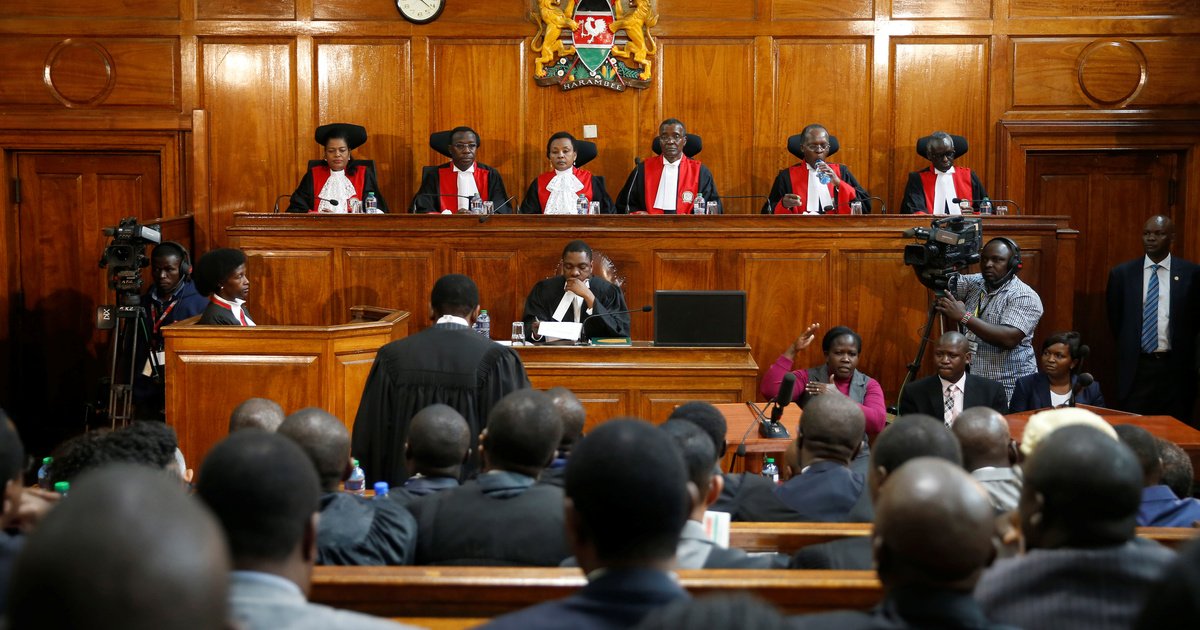
Government officials hold positions of public trust. When they misuse their authority, act negligently, or engage in misconduct, citizens have the right to speak up. Filing a formal complaint ensures that accountability is maintained and justice is served.
In this article, we’ll walk you through how to file a complaint against a government official effectively and responsibly.
When Should You File a Complaint?
You may consider filing a complaint if a government official:
- Abuses power or engages in corruption
- Discriminates based on race, gender, or religion
- Accepts bribes or engages in unethical behavior
- Is negligent or fails to fulfill their duties
- Violates human rights or constitutional freedoms
Make sure you have clear evidence or witness statements to support your claims.
Step-by-Step: How to File a Complaint Against a Government Official
1. Gather Evidence
Collect all relevant information:
- Dates, times, and locations
- Names and positions of the officials involved
- Photos, videos, documents, or audio recordings
- Witnesses who can support your case
Being specific increases the chance your complaint will be taken seriously.
2. Identify the Correct Authority
Different agencies handle different types of complaints. Here are common channels:
Ethics and Anti-Corruption Commission (EACC)
Handles corruption and abuse of office.
- Website: https://eacc.go.ke
- Email: report@integrity.go.ke
- Toll-free: 1551
Commission on Administrative Justice (Ombudsman)
Handles public service complaints, delays, and unfair treatment.
- Website: https://ombudsman.go.ke
- Email: complaints@ombudsman.go.ke
- Toll-free: 0800 221 349
Independent Policing Oversight Authority (IPOA)
Handles police misconduct.
- Website: https://ipoa.go.ke
Other Relevant Ministries or Agencies
If the complaint is specific to a ministry (e.g., health, lands, education), file your complaint through their official website or contact channels.
3. Write a Clear Complaint Letter
Your complaint should be:
- Brief and factual
- Polite and respectful in tone
- Include: your name, contact info, and a signature
- Clearly explain what happened and what outcome you seek
Example:
“On March 10, 2025, I visited the XYZ government office and was denied service without explanation. The officer, Mr. John Doe, used abusive language and refused to process my documents…”
4. Submit the Complaint
Send your complaint through official channels:
- Online portals
- Physical letter to the agency’s office
- Anonymous tip (if you fear retaliation, though it may limit follow-up)
Always keep copies of everything you submit.
5. Follow Up
After submission:
- Request a reference number or acknowledgment
- Wait for the official response timeline (usually 14–30 days)
- Follow up if there is no feedback
- Escalate the matter if needed — including to the courts or media (as a last resort)
What Happens After You File a Complaint?
Once received, the agency will:
- Investigate the matter
- Interview witnesses or involved parties
- Recommend disciplinary action or legal steps
- Report outcomes (depending on confidentiality rules)
In some cases, whistleblowers are protected by law — especially in corruption-related cases.
What NOT to Do
❌ Don’t make false accusations
❌ Don’t use threats or abusive language
❌ Don’t post unverified claims on social media (it could backfire legally)
Conclusion
Filing a complaint against a government official is your constitutional right as a citizen. It’s one of the ways we keep public institutions accountable. When done correctly, your voice can lead to real change — for you and for others.
Know your rights. Speak up. Demand accountability.