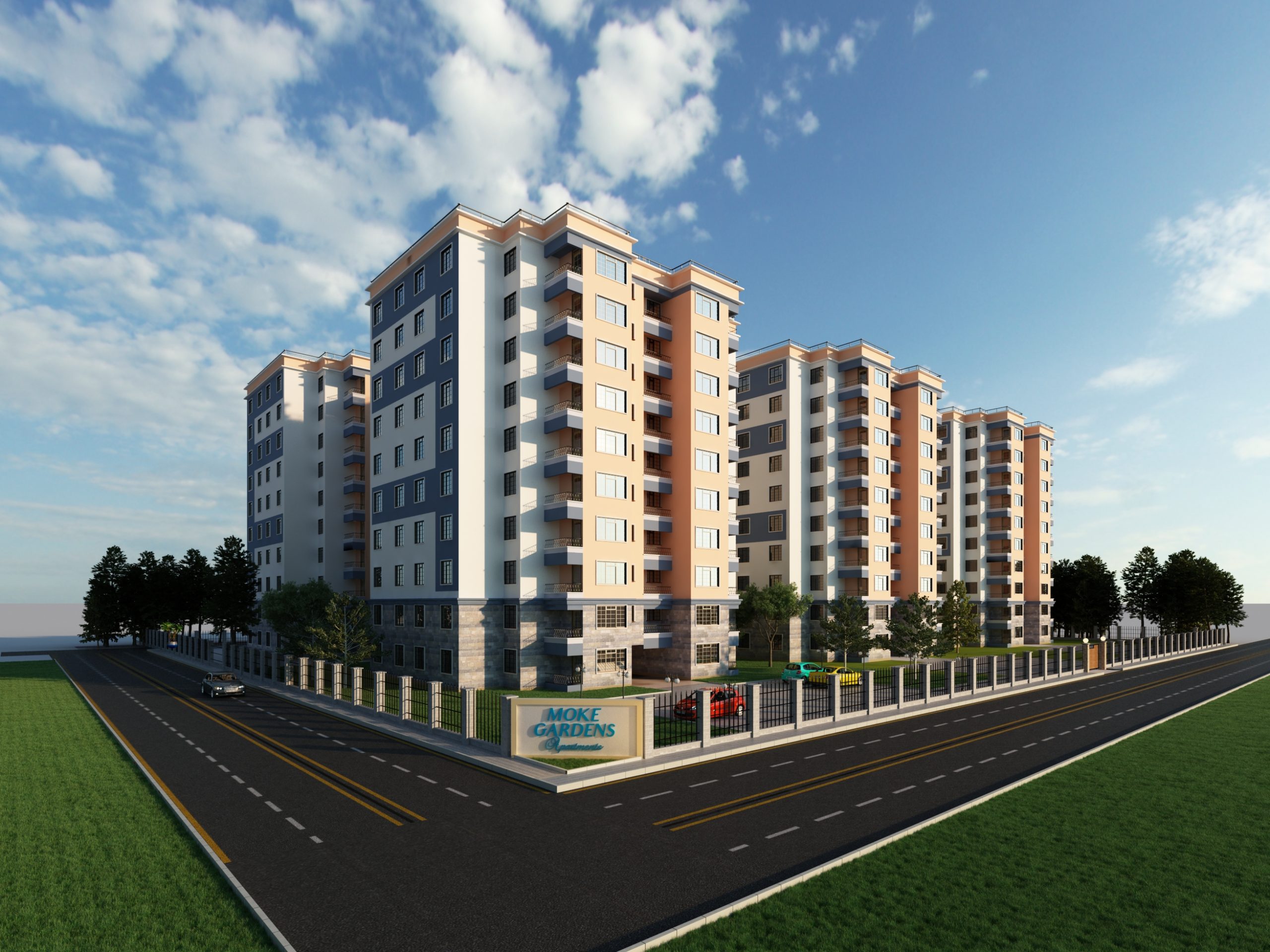
The Affordable Housing Programme (AHP) is one of the Kenyan government’s flagship projects aimed at addressing the country’s long-standing housing crisis. With a rapidly growing population and rising urbanization, the demand for decent and affordable housing has never been higher.
In this article, we break down the government’s housing initiative, its benefits, challenges, and what it means for Kenyans in 2025.
What is the Affordable Housing Programme (AHP)?
The Affordable Housing Programme is part of the Big Four Agenda, launched by former President Uhuru Kenyatta and continued under President William Ruto’s administration. The goal is to construct at least 250,000 affordable housing units annually to meet the growing housing deficit.
Key Objectives:
- Provide low to middle-income Kenyans access to decent housing.
- Create jobs in the construction and housing sector.
- Stimulate economic growth through infrastructure development.
- Promote home ownership through flexible financing options.
Why Kenya Needs Affordable Housing
Kenya has a housing deficit of over 2 million units, with the demand growing by approximately 250,000 units annually, while supply remains at a mere 50,000 units per year.
Major urban areas like Nairobi, Mombasa, Kisumu, and Nakuru are the most affected due to:
- High cost of land
- Inadequate urban planning
- Rising informal settlements (slums)
- Youth unemployment and limited access to housing finance
How the Government is Implementing the Project
The government is working with public-private partnerships (PPPs) to fund and execute these projects. The housing units are categorized based on income levels:
- Social Housing (Ksh 600 – 3,000 monthly)
- Low-Cost Housing (Ksh 3,001 – 10,000 monthly)
- Mortgage Housing (Above Ksh 10,000 monthly)
Featured Projects:
- Pangani Housing Project (Nairobi)
- Park Road Ngara Estate
- Mavoko Affordable Housing (Machakos)
- Bondeni Affordable Housing (Nakuru)
- Buxton Point (Mombasa)
How Can Kenyans Apply?
Kenyans interested in the affordable housing units must:
- Register on the Boma Yangu Portal (www.bomayangu.go.ke)
- Submit personal and employment details.
- Choose the housing project of interest.
- Make contributions via the Housing Fund, recently made mandatory for employed individuals (1.5% of gross salary matched by employer).
Benefits of the Affordable Housing Project
✅ Access to quality housing for low- and middle-income earners
✅ Boosts local employment and economic activity
✅ Enhances urban planning and infrastructure
✅ Encourages a culture of homeownership among Kenyans
✅ Reduces the growth of informal settlements
Challenges Facing the Project
Despite its promise, the programme has not been without controversy:
- Land acquisition disputes
- Public resistance to mandatory deductions from salaries
- Delays in construction and handovers
- Concerns over transparency and eligibility
- Affordability gaps even in “affordable” housing for the unemployed
What’s Next for Affordable Housing in Kenya?
As of 2025, the Kenyan government has scaled up the Affordable Housing agenda with more housing units under construction and new locations being added.
President Ruto has emphasized the creation of new satellite towns, enhanced PPP models, and fast-tracked approvals for housing developers to accelerate the programme.
Final Thoughts
The Government Housing Project in Kenya is a bold and ambitious move to solve one of the country’s biggest challenges—housing.
While it still faces significant obstacles, the continued investment, collaboration with private developers, and a growing number of completed units show that Kenya is moving in the right direction.