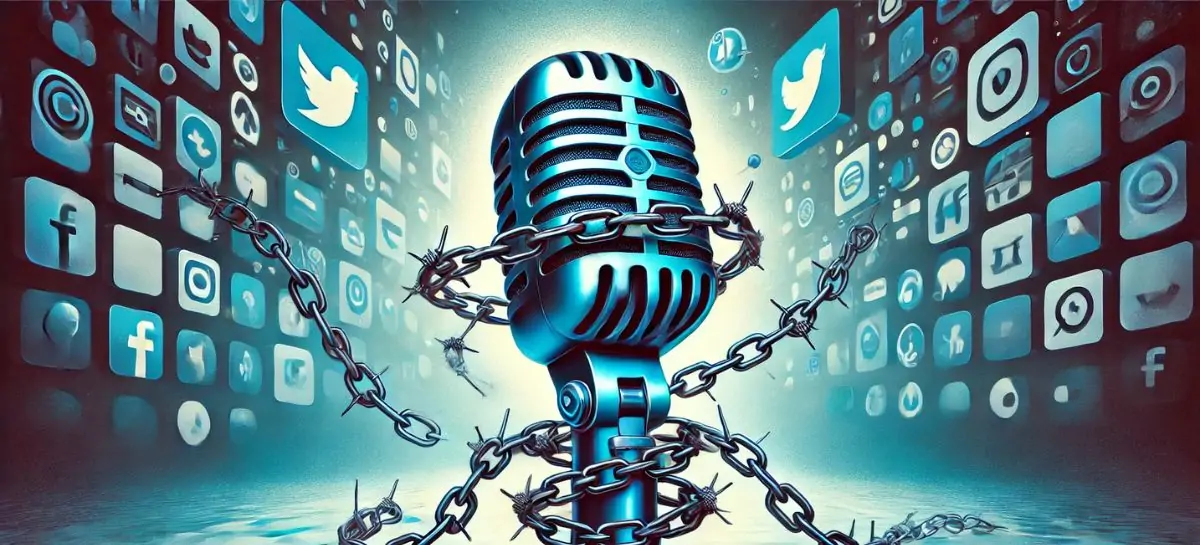
Freedom of speech is a fundamental human right enshrined in the Constitution of Kenya. It gives citizens the liberty to express their thoughts, share opinions, and access information freely. But while the law protects this right, the real-world experience of free speech in Kenya tells a more complex story.
What the Law Says
The Constitution of Kenya 2010, under Article 33, guarantees every person the right to:
- Freedom of expression
- Freedom to seek, receive, or impart information and ideas
- Freedom of artistic creativity
- Academic freedom and freedom of scientific research
However, this freedom is not absolute. The same article restricts speech that involves:
- Propaganda for war
- Incitement to violence
- Hate speech
- Advocacy of hatred based on ethnicity, religion, gender, or any other ground
The Role of Government and Institutions
Several government bodies oversee and regulate speech, especially in media and online platforms:
- Communications Authority of Kenya (CAK) – Regulates broadcasting and internet services.
- Kenya Film Classification Board (KFCB) – Monitors content in films and videos.
- National Cohesion and Integration Commission (NCIC) – Tracks and acts on hate speech and ethnic incitement.
While these institutions aim to protect public order and morality, critics argue that they are sometimes used to suppress dissent and silence critical voices.
Free Speech in the Digital Age
Kenya has a vibrant online community, with platforms like X (formerly Twitter), Facebook, and TikTok playing key roles in shaping public opinion. Digital activism and citizen journalism have empowered many to speak out on corruption, injustice, and governance.
But there’s a growing concern about:
- Arrests of bloggers and activists
- Cybercrime laws being used to silence critics
- Surveillance and internet restrictions during elections
Notable Cases:
- Several bloggers have been arrested for content seen as “offensive” to public figures.
- Journalists have faced threats and harassment while reporting on sensitive issues.
Press Freedom: Under Pressure?
Kenya’s media is often praised for being bold and outspoken. Major outlets like Nation Media Group, Standard Group, and Citizen TV regularly cover political scandals and government performance.
However:
- Journalists sometimes face intimidation or violence.
- Media houses have reported government interference or advertising boycotts to suppress critical coverage.
Public Opinion
Many Kenyans value their freedom of speech but are cautious about speaking openly, especially on political issues. Social media provides an outlet, but it also comes with risks—cyberbullying, misinformation, and potential legal consequences.
The Way Forward
To strengthen freedom of speech in Kenya:
- The government must protect journalists and critics, not punish them.
- Institutions must apply laws fairly, without political bias.
- Citizens must be educated on digital rights and responsibilities.
- Civil society and tech platforms should support safe spaces for expression.
Final Thoughts
Freedom of speech in Kenya is a right worth protecting—but also a right under pressure. While legal protections exist, the gap between the law and reality remains wide. As Kenya continues to grow as a digital and democratic society, the ability of its people to speak freely, criticize power, and share ideas must be preserved and defended.