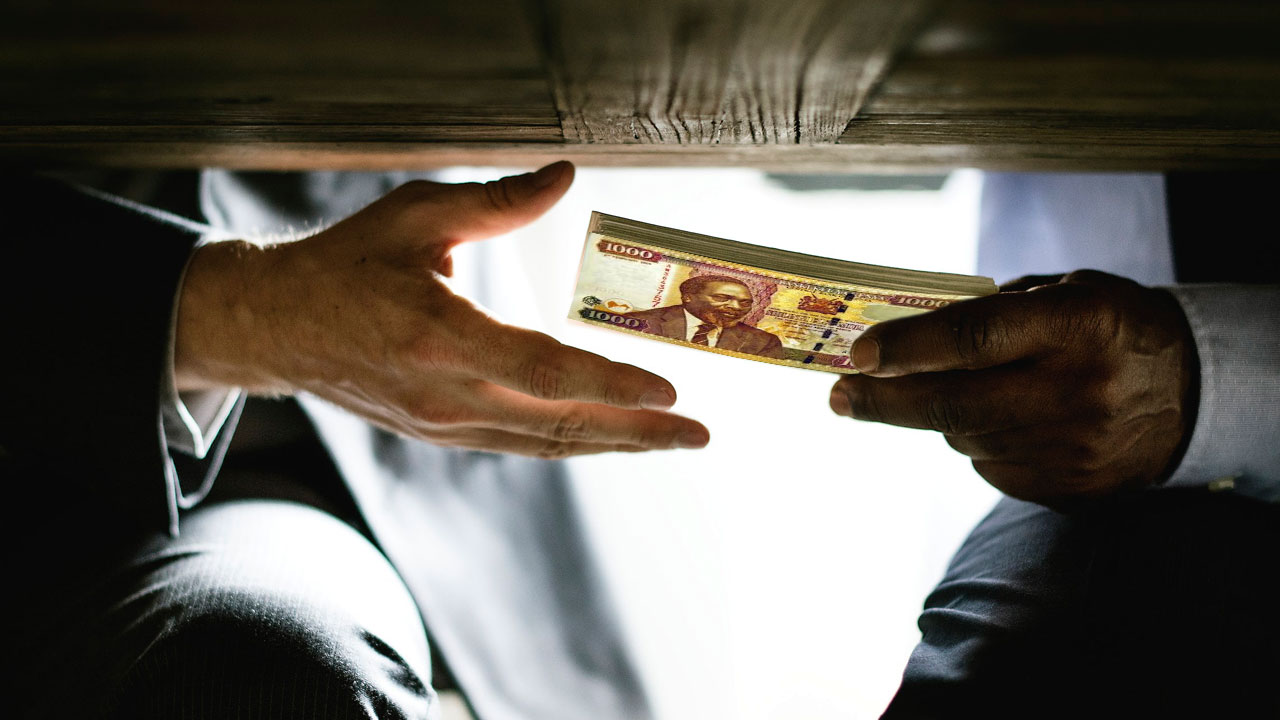
Corruption in Kenya is more than a political buzzword—it’s a systemic issue that continues to shape the country’s economic, social, and political landscape. From grand theft to shady procurement deals, Kenya has witnessed some of the most shocking corruption scandals in Africa.
A Brief Overview of Corruption in Kenya
Kenya ranks poorly on the global Corruption Perceptions Index (CPI), with Transparency International consistently highlighting it as one of the most corrupt countries in the world. Despite various anti-corruption agencies, legal reforms, and high-profile arrests, impunity remains rampant.
Notorious Corruption Scandals in Kenya’s History
1. Goldenberg Scandal (1990s)
- Amount involved: Estimated KSh 158 billion
- What happened: The government subsidized exports of gold and diamonds—minerals Kenya doesn’t produce in large quantities—through a firm called Goldenberg International.
- Impact: Massive economic instability and inflation. It nearly crippled Kenya’s economy in the 90s.
2. Anglo Leasing Scandal (2004)
- Amount involved: KSh 56 billion
- What happened: Fake companies were awarded security-related contracts for services and equipment that were either overpriced or never delivered.
- Key Figures: Several high-level government officials and foreign firms were implicated.
3. National Youth Service (NYS) Scandal (2015 & 2018)
- Amount involved: Over KSh 9 billion across both scandals
- What happened: Fake invoices, inflated tenders, and ghost suppliers drained NYS funds meant for youth empowerment.
- Key Figures: High-ranking public servants, including former Youth Affairs PS Lilian Omollo.
4. Eurobond Scandal (2014)
- Amount involved: KSh 250 billion
- What happened: The government borrowed through a Eurobond but failed to clearly account for how the money was spent. To date, questions remain.
- Public Reaction: Major outcry and calls for accountability from civil society and opposition leaders.
5. Maize and Sugar Scandals
- What happened: Cartels and corrupt officials manipulated the importation and distribution of sugar and maize, leading to artificial shortages and price hikes.
- Impact: Local farmers suffered losses, and consumers paid inflated prices.
Why Corruption Persists in Kenya
✅ Weak enforcement of laws
✅ Politicization of justice
✅ Culture of impunity
✅ Lack of whistleblower protection
✅ Public apathy and normalization of graft
Despite arrests and investigations, very few top officials are ever convicted, reinforcing a perception that the powerful are untouchable.
The Cost of Corruption
- Economic loss: Billions of shillings lost yearly
- Poor public services: Hospitals without medicine, schools without facilities
- Unemployment: Funds meant for job creation are misappropriated
- Investor fear: Deters foreign and local investment
- Public mistrust: Erodes faith in institutions and leaders
Efforts to Fight Corruption
- Ethics and Anti-Corruption Commission (EACC)
- Judiciary reforms and special corruption courts
- Lifestyle audits for public servants
- Whistleblower frameworks (pending legislation)
While the intentions are good, execution and follow-through remain weak.
What Can Be Done?
🛑 Enforce laws equally for all
🛑 Strengthen whistleblower protection
🛑 Empower independent institutions
🛑 Support civic education and media freedom
🛑 Make corruption politically costly through voter action
Final Thoughts
Corruption scandals in Kenya are not just about stolen money—they are about stolen futures. For meaningful change to happen, both the leadership and the citizens must take responsibility. It’s time for a new chapter where transparency, accountability, and justice are not just slogans, but reality.